


 Start with Our Diamond Quiz



The Fundamental Parts of a Ring
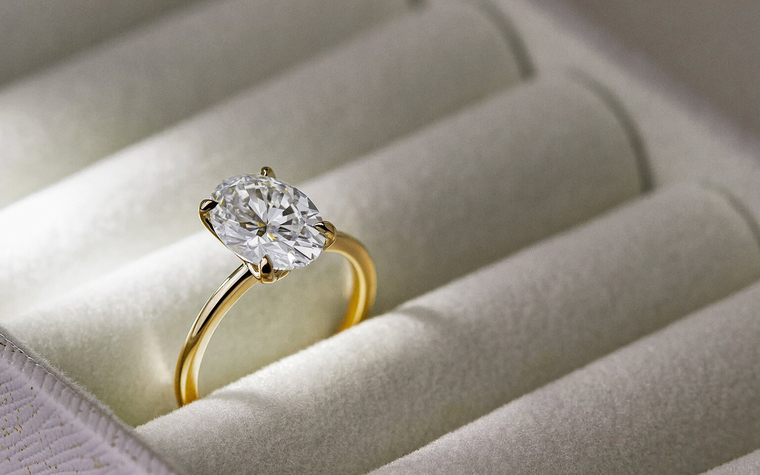
An engagement ring consists of two main components:
The Center Stone: The center stone is the focal gemstone of the ring and typically the most visually prominent element and most significant investment. Most engagement rings feature a diamond, though sapphires, emeralds, and other precious gemstones have become popular alternatives for couples who want an added pop of color or personal meaning.
The Setting: The setting is the metal framework that holds the center stone in place and forms the ring’s overall structure. It’s an umbrella term that includes the head, prongs, shank, gallery, shoulders, bridge, and more. Different setting types offer varying aesthetics and levels of security, which influence how the stone looks, how well it's protected, and cost.
Each part of an engagement ring serves a specific role in both function and design. Understanding this anatomy gives you the vocabulary to describe what designs you like, ask informed questions, and understand what you're paying for. Below, we'll explain each ring component and why it matters.

The Functional Parts of a Ring
Let’s walk through the ring from top to bottom.
1. Head
The head is the top portion of the ring that holds the center stone in place. It sits above the band and includes the prongs, bezel, or other components that secure the stone. The head determines how high or low the stone rests on the finger, which affects both the ring’s appearance and how practical it feels for everyday wear. It also plays a major role in how much light reaches the stone, directly influencing sparkle and brilliance.
A higher head typically creates a dramatic look and allows for maximum light exposure, but it may snag more easily on clothing or other objects. A lower head offers a sleek, streamlined profile and often feels more comfortable for daily wear, especially for active lifestyles.
2. Prongs
Prongs are the small metal arms that secure the center stone within the head of the ring. Their shape, size, number (most commonly four or six), and placement affect both the stone’s security and how much of it remains visible.
Because prongs experience regular wear, they should be professionally inspected once or twice a year. Proper maintenance ensures the center stone remains safely in place over time.
3. Gallery
The gallery is the open space beneath the center stone. It supports the setting and allows light to pass through the stone from below, contributing to its brilliance. The gallery also shapes the ring’s side profile and often includes decorative metalwork or accent stones.
Some galleries are minimal and modern, while others feature intricate details or hidden design elements that become visible when viewed from the side. Though subtle, the gallery significantly influences both appearance and light performance.
4. Shoulders
The shoulder is the upper portion of the band that rises toward the center stone. It visually connects the shank to the head and creates balance in the ring’s design. The width and shape of the shoulders can significantly influence how delicate or substantial the ring appears when viewed from above.
Shoulders can be designed in a wide range of styles, including straight, tapered, or twisted, and even small variations in shoulder design can noticeably change the ring’s overall silhouette and how prominent the center stone appears.

5. Shank
The shank, commonly called the band, is the part of the ring that wraps around the finger. It forms the structural foundation of the ring and strongly influences comfort and durability. The thickness and shape of the shank affect how the ring feels on the hand and how well it wears over time.
A thinner shank often creates a refined, delicate appearance, while a thicker shank provides additional strength and stability. The shank’s profile can take many forms, including flat, knife edge, or rounded, and each variation influences both comfort and visual style.
6. Bridge
The bridge is the horizontal support located beneath the head. It stabilizes the head, connects it to the shank, and distributes the weight of the center stone more evenly across the band to improve long-term durability.
In many settings, the bridge also serves as a subtle design feature, sometimes incorporating accent stones or decorative metal details that enhance the ring without competing with the center stone.
7. Sizing Bar
The sizing bar is the small section at the bottom of the shank typically opposite the center stone. This area allows the ring to be resized in the future, an important feature as finger size can naturally change over time. A well-designed sizing area helps preserve the shank’s structural integrity during resizing.
For this reason, jewelers usually recommend keeping this portion of the shank relatively simple in design. Rings with diamonds or heavy detailing around the entire circumference can be difficult or sometimes impossible to resize later.
8. Hallmark
The hallmark is the tiny stamp located inside the band that identifies the metal type, purity, and sometimes the manufacturer or designer. It confirms that the ring is made from the stated materials and provides important information for jewelers performing maintenance or repairs. Though discreet, the hallmark is one of the most important indicators of a ring’s authenticity and quality.

The Bottom Line
Understanding the anatomy of an engagement ring can simplify your shopping process. When you know what each component does, you’re able to quickly recognize which influence appearance, which affect durability, and which matter most for your lifestyle and budget. With this foundation in place, it becomes much easier to evaluate designs, compare options thoughtfully, and make confident decisions as you move forward.
As you continue your engagement ring search, keep these core takeaways in mind:
- The setting does more than hold the stone. It shapes comfort, durability, and how the ring looks and feels on the hand.
- Small design elements have a big impact. Details like prongs, shoulders, and the gallery influence both visual style and light performance.
- Lifestyle should guide many choices. Head height, shank thickness, and prong type all affect how practical the ring is for everyday wear.
With this knowledge, you’re equipped to have more productive conversations with jewelers and choose a ring that reflects both your style and your practical needs.
Engagement Ring Anatomy & Terminology FAQ
What are the parts of a ring called?
The main parts of an engagement ring include the center stone, setting, head, prongs, gallery, shoulders, shank, bridge, sizing bar, and hallmark. Each component has a specific role in the ring’s structure, appearance, durability, and cost.
What is the part of a ring that holds the stone?
The prongs are the part of a ring that physically hold the center stone in place. The head is the supporting structure beneath the stone that houses the prongs and connects the stone to the rest of the ring.
What part of the ring is the shank?
The shank is the part of the ring that encircles the finger. Also called the band, it provides the ring’s foundation and significantly influences both comfort, appearance, and cost.
