

Expertise you can trust: Brilliant Earth is known for its award-winning jewelry designs and seamless, innovative shopping experience. This Brilliant Earth jewelry guide breaks down how to buy a tennis bracelet in five simple steps. All Brilliant Earth guides are meticulously researched and reviewed by our certified gemologists, content, editorial, and brand teams before publication to ensure industry-leading excellence and accuracy.
What Is a Tennis Bracelet?
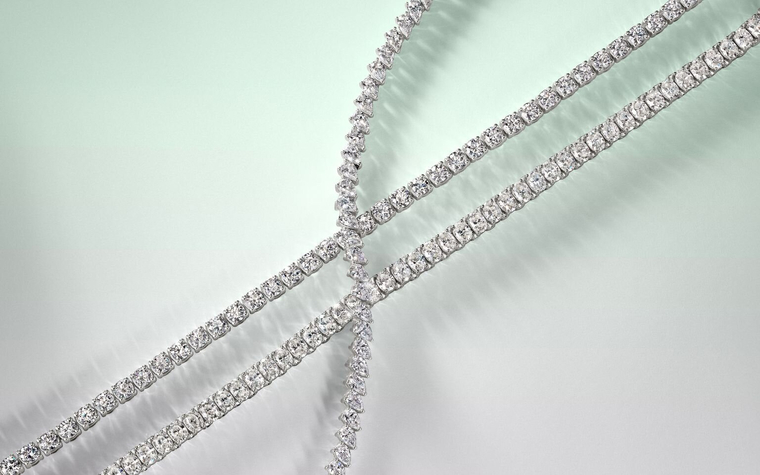
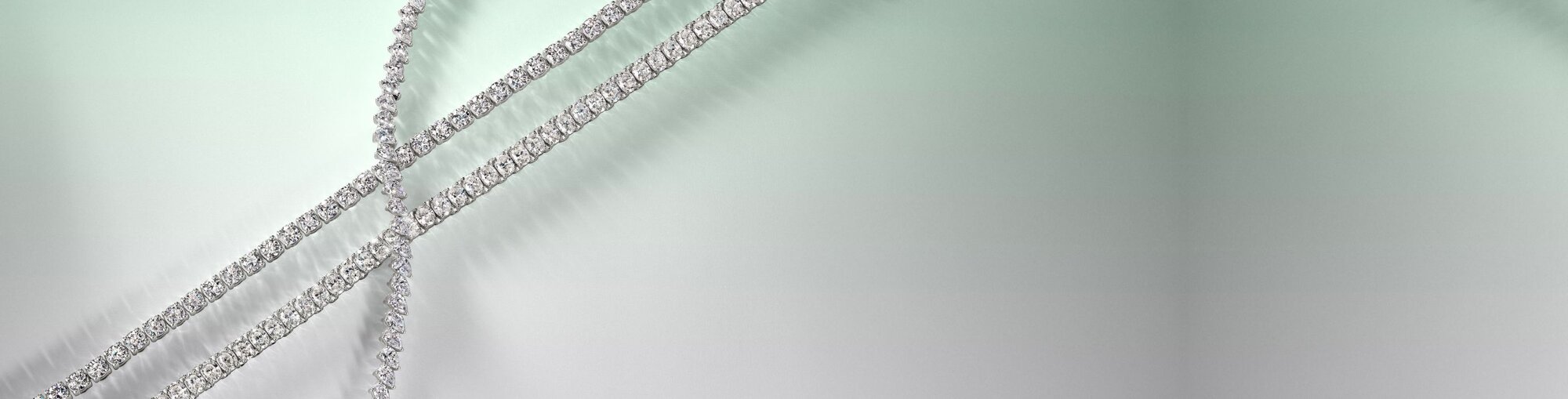
A tennis bracelet is a flexible bracelet made up of a continuous line of individually set gemstones, typically diamonds, linked together in a symmetrical pattern. Each stone matches the others in size, shape, and quality, giving the bracelet its signature uniformity and consistent sparkle.
While the overall silhouette is classic, the design can vary in many ways. The gemstone type, setting style, and metal each offer room for personalization and all influence how the bracelet looks and what it costs.
How to Choose a Tennis Bracelet
Buying a tennis bracelet involves several design decisions. Each one shapes the overall look, durability, and price of the piece.
1. Set Your Budget
Tennis bracelet prices vary widely, and your budget helps define which options are worth considering. Gemstone type, total carat weight, metal, and construction quality all drive cost.
Setting a clear budget at the start helps you focus on designs that fit your preferences without feeling overwhelmed. It also makes it easier to weigh tradeoffs, such as prioritizing stone size over quality, or choosing a more durable metal at a lower carat weight.

2. Choose the Gemstone
The gemstone is one of the most important decisions because it defines both the look and value of the bracelet.
Type
Diamonds are the most popular choice for their durability and versatility. They pair well with every metal type and hold up well to regular wear.
For something more distinctive, colored gemstones are a strong alternative. Sapphires offer a range of rich hues and are durable enough for everyday use. Emeralds provide a deep green tone but require more careful handling. Each gemstone brings a different character to the design.
Color
For diamonds, many buyers prefer colorless stones for a bright, uniform appearance, though fancy color diamonds are also available. For colored gemstones, the right choice comes down to personal preference and how the hue fits your overall style.
Origin
Natural gemstones come from the earth, while lab-grown stones develop in controlled environments. Both share the same physical and visual properties. The difference mainly comes down to price and sourcing preference.

3. Select Carat Weight
In a tennis bracelet, carat weight refers to the total carat weight (CTTW) of all stones combined. As total carat weight increases, the individual stones appear larger and more visually prominent, producing a wider bracelet with more presence on the wrist. Lower carat weights produce a finer, more delicate look.
Carat weight is often where buyers balance visual impact against budget, so it helps to decide early how bold or understated you want the bracelet to feel.

4. Choose the Design Details
With the gemstone and carat weight in place, the remaining design details shape the character and wearability of the bracelet.
Stone Shape
Round brilliant stones are the most common choice because they maximize light reflection and produce consistent sparkle across the bracelet. Princess, oval, cushion, and emerald cuts each create a different effect, ranging from sharper geometry to softer or more elongated shapes.
Setting Style
Prong settings use small metal tines to hold each stone, maximizing light exposure and enhancing brilliance. Bezel settings wrap the stone in metal, offering greater protection and a cleaner, more modern profile, though they allow less light into the stone.
Metal Type
White gold and platinum provide a bright, neutral backdrop that keeps the focus on the stones. Yellow gold and rose gold contrast with the stones, offering a distinct look with a romantic, vintage feel.
Clasp
A secure clasp matters for everyday and special occasion wear. Many tennis bracelets use a box clasp with a safety latch. Double clasp mechanisms add an extra level of security and are worth considering if the bracelet will see frequent use.
Coverage
Full coverage bracelets feature stones around the entire circumference of the wrist, creating a continuous line of sparkle. Half coverage styles place stones only along the top portion, which can improve comfort and reduce the overall cost.

5. Find the Right Fit
A well-fitting tennis bracelet should fit comfortably around the wrist, not too tight or too loose. Most bracelets range from 6 to 7.5 inches in length.
A good general guideline is to leave enough room to fit one finger between the bracelet and your wrist for the perfect balance of comfort and security. This allows the bracelet to have slight movement but not slip off the hand. If possible, visit a jeweler to have your wrist measured before purchasing.


WITH PURCHASE OVER $1,000.
USE CODE STUDS IN CART.*