





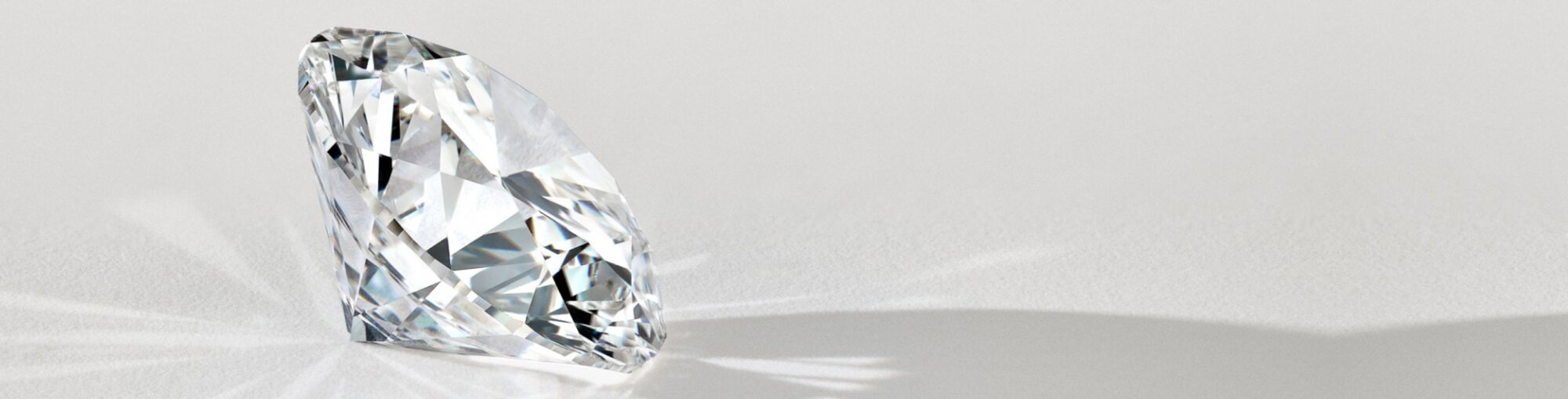
What Is a Lab Grown Diamond?
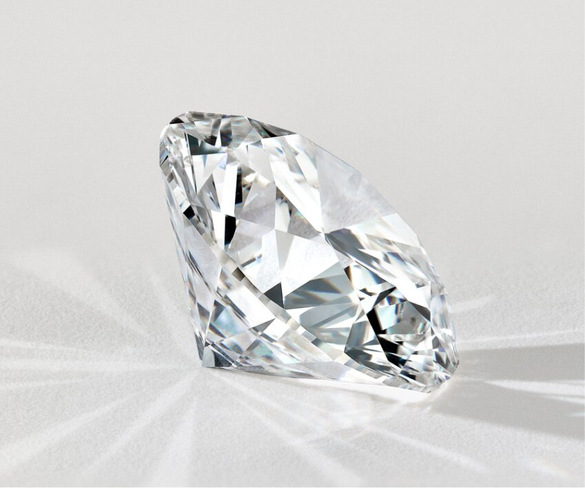
A lab diamond is a real diamond created in a controlled laboratory environment rather than formed naturally within the Earth. Like a natural diamond, it's made of carbon atoms arranged in a crystal structure, giving it the same hardness, brilliance, and optical properties.
Lab diamonds begin with a small diamond seed and are grown using one of two methods: High Pressure High Temperature (HPHT) or Chemical Vapor Deposition (CVD). Both use advanced technology to create the conditions needed for carbon atoms to form a diamond crystal.
The process typically takes several days or weeks. Once grown, the rough diamond is cut, polished, graded, and set in jewelry, just like a natural diamond.
In Summary: Lab diamonds have the same composition, crystal structure, and properties as natural diamonds. What distinguishes them is how and where they're formed.


Are Lab Grown Diamonds Real?
Yes, lab diamonds are real diamonds. They have the same chemical composition, crystal structure, and physical and optical properties as natural diamonds.
Both natural and lab diamonds consist of crystallized carbon, which gives them their exceptional hardness and brilliance. They also share the same sparkle, fire, and scintillation, making them indistinguishable to the naked eye.
Lab diamonds shouldn't be confused with diamond simulants, such as moissanite or cubic zirconia. While these gemstones can resemble diamonds, they have different chemical compositions and physical properties.
In Summary: Lab diamonds are not imitations or diamond substitutes. They're genuine diamonds with the same fundamental properties as natural diamonds, distinguished by their laboratory origin.

Lab Grown Diamonds vs. Natural: Side-by-Side Comparison
Lab and natural diamonds share the properties that determine their appearance and durability. Their main differences come down to how they're formed, how rare they are, and how they're priced.
Neither diamond type is inherently better in appearance or durability. A lab diamond and a natural diamond with comparable quality characteristics will look and perform the same.
The chart below compares their key characteristics.
Characteristic | Lab Grown Diamond | Natural Diamond |
|---|---|---|
Composition | Pure crystalline carbon | Pure crystalline carbon |
Origin | Grown in a controlled laboratory environment | Formed naturally deep within the Earth |
Formation Time | Several days to weeks | Billions of years |
Hardness & Durability | 10 on the Mohs hardness scale, suitable for everyday wear | 10 on the Mohs hardness scale, suitable for everyday wear |
Brilliance & Sparkle | Same optical properties, brilliance, fire, and scintillation as natural diamonds | Same optical properties, brilliance, fire, and scintillation as lab diamonds |
Color | Available in colorless, near-colorless, and fancy colors, including pink, blue, and yellow | Available in colorless, near-colorless, and naturally occurring fancy colors |
Clarity | Can contain inclusions and blemishes | Can contain inclusions and blemishes |
Grading & Certification | Can receive professional grading and identification reports documenting quality and origin | Can receive professional grading and identification reports documenting quality and origin |
Rarity | Can be produced in increasing quantities as technology advances | Naturally limited by geological formation and availability |
Price | Generally less expensive than a natural diamond of comparable size and quality | Generally more expensive because of natural rarity and supply |
Sourcing | Created without traditional diamond mining | Formed naturally and recovered through mining |
What Is the Difference Between Lab Grown and Natural Diamonds?
The primary differences between lab and natural diamonds are their origin, rarity, and price. Although both are made of the same material, the circumstances in which they form create distinct considerations when choosing between them.
- Origin: Natural diamonds form deep within the Earth over billions of years under extreme heat and pressure. Lab diamonds are created using advanced technology that replicates diamond-growing conditions, producing a real diamond in several days or weeks.
- Rarity: Natural diamonds exist in limited quantities determined by geological conditions. Lab diamonds aren't subject to the same natural scarcity and can be produced in increasing quantities as technology advances.
- Price: Lab diamonds generally cost less than natural diamonds of comparable size and quality. This difference reflects their respective supply, production, and rarity rather than a difference in the diamond's physical properties.
- Personal Significance: Some people value natural diamonds for their geological rarity, history, and tradition. Others appreciate the innovation behind lab diamonds or the flexibility they offer when choosing a diamond within a budget.
These differences are primarily about origin and individual priorities, not whether one type is more genuine than the other.
In Summary: Lab and natural diamonds differ in how they're formed, how rare they are, and how they're priced. Both are real diamonds, so choosing between them comes down to which characteristics and considerations matter most to you.

How Are Lab Grown and Natural Diamonds the Same?
Lab and natural diamonds share the same chemical, physical, and optical properties. Their identical crystal structures mean they look, sparkle, and perform the same when compared at similar quality grades.
Here's what they have in common:
- Chemical Composition: Both are made of carbon atoms arranged in the same diamond crystal structure.
- Hardness & Durability: Both rank 10 on the Mohs hardness scale, making them highly resistant to scratching and well suited for everyday jewelry.
- Brilliance & Sparkle: Both reflect and disperse light in the same way, producing the brilliance, fire, and scintillation associated with diamonds.
- Color & Clarity: Both are available in a range of color and clarity grades. Lab diamonds can also have inclusions and blemishes, just like natural diamonds.
- Quality Characteristics: Cut, color, clarity, and carat weight are important considerations for both diamond types. Neither origin guarantees a higher-quality stone.
- Care & Longevity: Both require similar care to maintain their appearance and can be worn and treasured for generations.
Because they share the same fundamental properties, a lab diamond doesn't become cloudy or lose its sparkle over time simply because it was created in a laboratory.
In Summary: Lab and natural diamonds are the same in the characteristics that determine their appearance, hardness, and durability. When comparing diamonds of similar quality, their origin doesn't create a visible difference.

Can You Tell the Difference Between Lab Grown and Natural Diamonds?
No, you cannot reliably tell the difference between a lab diamond and a natural diamond with the naked eye. Both have the same brilliance, fire, and visual characteristics, so even trained gemologists need specialized equipment to determine their origin.
Professional identification may involve examining subtle characteristics associated with how the diamond formed:
- Growth Patterns: Lab diamonds can show internal growth patterns that differ from those found in natural diamonds.
- Inclusions: Natural diamonds may contain mineral inclusions, while lab diamonds can have characteristics associated with the HPHT or CVD growth process.
- Laser Inscriptions: Many lab diamonds have microscopic inscriptions along the girdle that identify their laboratory origin.
Lab diamonds also pass standard diamond testers because they share the same thermal conductivity properties as natural diamonds. These devices can help distinguish diamonds from common simulants, but basic testers cannot determine whether a diamond is natural or lab created.
In Summary: Lab and natural diamonds look identical to the naked eye. Specialized gemological equipment is needed to reliably determine whether a diamond formed naturally or in a laboratory.

Lab Grown Diamond Grading & Certification
Lab diamonds can be professionally graded and certified, just like natural diamonds. Gemological laboratories evaluate their quality and use specialized testing to confirm whether a diamond is natural or lab created.
Both diamond types are assessed using the 4 Cs:
- Cut: How well the diamond's facets interact with light, influencing its brilliance and sparkle.
- Color: The absence of color in a white diamond, with higher grades indicating less noticeable tint.
- Clarity: The presence or absence of internal inclusions and surface blemishes.
- Carat Weight: How much the diamond weighs, with one carat equal to 200 milligrams.
Laboratories such as GIA and IGI provide professional diamond identification and quality assessment. The format and terminology of reports can differ by laboratory and diamond type, but the purpose remains the same: documenting important characteristics and providing transparency about the diamond's identity and origin.
At Brilliant Earth, all our center diamonds are certified, whether natural or lab created.
In Summary: Both lab and natural diamonds can receive professional grading and certification. Their reports document quality characteristics and help confirm the diamond's origin, although reporting formats and classifications may differ.

Pros & Cons of Lab Grown Diamonds
Lab diamonds offer the same appearance and durability as natural diamonds, often at a lower price. However, they don't have the same geological rarity or history, which can be an important consideration for some people.
Here's what to consider when deciding whether a lab diamond is right for you.
Pros of Lab Grown Diamonds
- More Flexibility With Your Budget: Lab diamonds typically cost less than natural diamonds of comparable quality. This can make it possible to choose a larger carat weight, higher color or clarity grade, or simply spend less overall.
- Same Beauty & Durability: Lab diamonds have the same sparkle, hardness, and longevity as natural diamonds. They're equally suited to engagement rings and other everyday jewelry.
- More Color Options: Lab diamonds are available in colorless and near-colorless grades, as well as fancy colors such as pink, blue, and yellow. These options can make distinctive diamond colors more accessible.
- A Mining-Free Option: Lab diamonds are created in controlled environments rather than recovered through traditional diamond mining. For those who prefer this sourcing approach, they offer another way to choose a genuine diamond.
Cons of Lab Grown Diamonds
- Less Geological Rarity: Unlike natural diamonds, which form over billions of years, lab diamonds can be produced as technology and manufacturing capacity expand. They don't have the same natural scarcity.
- Different Sense of Origin & Tradition: Some people place special meaning on the history and natural formation of a diamond. For those who value geological origin or longstanding traditions, a natural diamond may hold greater personal significance.
In Summary: Neither choice is universally better. If you prioritize size, quality characteristics, or budget flexibility, a lab diamond may appeal to you. If rarity, natural origin, and tradition are more meaningful, you may prefer a natural diamond.
FAQ
Are lab diamonds as good as natural diamonds?
Lab diamonds are as good as natural diamonds in terms of chemical composition, appearance, hardness, and durability. Both are real diamonds with the same brilliance and sparkle, and both can be evaluated for cut, color, clarity, and carat weight. The right choice depends on your preferences for origin, rarity, and budget.
What does lab grown diamond mean?
Lab grown diamond means a real diamond created in a controlled laboratory environment rather than formed naturally within the Earth. These diamonds are made of crystallized carbon and have the same chemical, physical, and optical properties as natural diamonds.
Are lab grown diamonds considered real diamonds?
Yes, lab diamonds are considered real diamonds because they have the same chemical composition and crystal structure as natural diamonds. They aren't imitation stones or diamond simulants. The distinction is how they form, not whether they're genuine diamonds.
When did lab grown diamonds start?
Brilliant Earth began offering lab diamonds in 2012, becoming an early retailer to introduce them as a mining-free diamond option. Since then, we've continued expanding our lab diamond offerings, including SCS Sustainably Rated lab diamonds in 2021, our Capture and Renewable Collections in 2023, our exclusive Pacific Green lab diamond color in 2025, and our exclusive Malibu Blue lab diamond color in 2026. Learn more.
What are lab grown diamonds called?
Lab diamonds are also called lab created diamonds, lab made diamonds, man-made diamonds, engineered diamonds, and cultured diamonds. These terms describe real diamonds grown in controlled environments rather than formed naturally within the Earth.
Are lab grown diamonds fake?
No, lab diamonds are not fake. They're genuine diamonds made of crystallized carbon, with the same hardness, brilliance, and optical properties as natural diamonds. Unlike diamond simulants such as moissanite or cubic zirconia, lab diamonds are the same material as natural diamonds.
Should you get a lab grown or natural diamond?
You should choose a lab diamond if you prioritize budget flexibility, a larger diamond, or a mining-free option. A natural diamond may be a better fit if you value geological rarity, tradition, and natural origin. Both are real diamonds, so the choice comes down to what matters most to you.
Do lab grown diamonds last?
Yes, lab diamonds can last a lifetime with proper care, just like natural diamonds. Both rank 10 on the Mohs hardness scale and are highly resistant to scratching. Lab diamonds also retain their natural brilliance and don't become cloudy simply because they were grown in a laboratory.
Are lab grown diamonds good quality?
Yes, lab diamonds can be excellent quality. Like natural diamonds, they vary in cut, color, clarity, and carat weight, so quality depends on the characteristics of the individual stone rather than its origin. A lab diamond isn't automatically flawless simply because it was created in a controlled environment.
Do lab grown diamonds look different?
No, lab diamonds don't look different from natural diamonds of comparable quality. They have the same optical properties and produce the same brilliance, fire, and scintillation. Even trained gemologists need specialized equipment to reliably distinguish their origin.


in lab diamond jewelry with qualifying purchase.
USE CODE BLACKFRIDAY IN CART.