


What Is Diamond Shape?
Diamond shape refers to the geometric outline or silhouette of a diamond when viewed from above. It's one of the most noticeable characteristics of a diamond and plays a major role in its overall appearance and style.
Often called the fifth C of diamonds, shape is an important consideration beyond the traditional 4 Cs of cut, color, clarity, and carat weight. While round diamonds are the most traditional choice, fancy shapes, which include any non-round diamond, offer a wide range of styles and proportions.
Diamond shape and diamond cut are often used interchangeably, but they aren't the same. Shape describes a diamond's outline, such as round, oval, or pear, while cut refers to how well its facets interact with light. A diamond's proportions, symmetry, and polish influence its cut quality, affecting its brilliance and sparkle.

Diamond Shapes
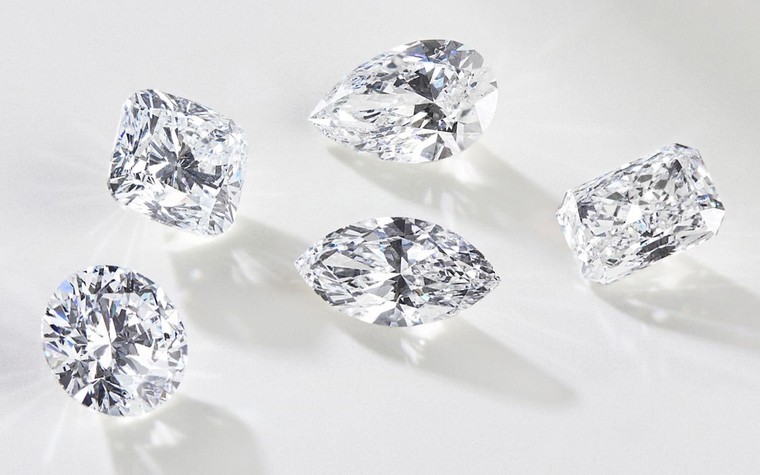
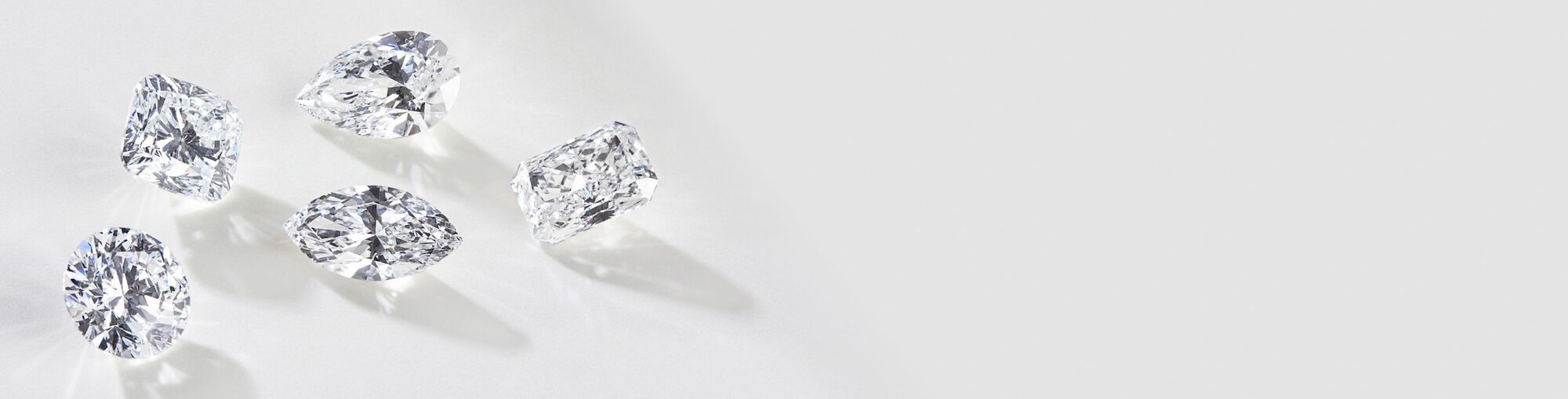
The ten most common diamond shapes are round, oval, cushion, princess, emerald, radiant, Asscher, marquise, pear, and heart. Each has its own silhouette and faceting style, influencing how the diamond reflects light, appears on the hand, and complements different ring settings.
The diamond shape chart below compares their defining characteristics, typical facet counts, and cutting styles. Facet counts are approximate and can vary depending on the diamond's proportions and cutting style. Even diamonds of the same shape may have different facet arrangements, creating noticeable differences in their overall appearance and sparkle.
Shape | Description | Key Features | Facets | Cut Style | Engagement Rings |
|---|---|---|---|---|---|
A circular diamond with a symmetrical outline. | Known for exceptional brilliance, fire, and scintillation, with a facet arrangement designed to maximize sparkle. Its symmetrical proportions help reflect light effectively while concealing some color and inclusions. Round diamonds complement nearly any ring setting and are the most popular shape. | 57–58 | Brilliant | ||
An elongated, rounded diamond without pointed corners. | Combines brilliant sparkle with a lengthened silhouette that can make fingers appear longer and slimmer. Its greater face-up area often makes it look larger than a round diamond of equal weight. For oval diamonds evaluating light performance and symmetry is important. | 56–58 | Modified Brilliant | ||
An elongated, boat-shaped diamond with two pointed ends. | Offers one of the largest face-up appearances for its carat weight, creating the illusion of a bigger diamond while making fingers look longer and slimmer. Its brilliant faceting produces strong sparkle. Symmetry and protection for the pointed ends are important considerations. | 58 | Modified Brilliant | ||
A rectangular diamond with cropped corners and long, parallel facets. | Creates a distinctive hall-of-mirrors effect with broad flashes of light rather than the intense sparkle of brilliant cuts. Its large, open facets make inclusions and body color more noticeable, placing greater importance on clarity and color. The elongated outline can also make fingers appear longer. | 57 | Step Cut | ||
A square or rectangular diamond with soft, rounded corners. | Known for its pillow-like appearance and vintage appeal, with faceting that can produce broad, chunky flashes or a crushed-ice effect. Its rounded corners work well with antique-inspired settings, while elongated proportions offer a more contemporary look. | 58–64 | Modified Brilliant | ||
A square or rectangular diamond with trimmed corners. | Combines the geometric outline of an emerald diamond with the sparkle of a brilliant cut. Its numerous facets create strong brilliance and fire while helping conceal inclusions more effectively than step cuts. Available in square and elongated proportions, making it versatile across different ring styles. | 70 | Modified Brilliant | ||
A teardrop-shaped diamond with one rounded end and one pointed tip. | Combines brilliant sparkle with an elongated silhouette that can make the diamond look larger for its carat weight. Its asymmetrical outline offers flexibility in styling, with the point facing toward or away from the wearer. Symmetry and protection for the pointed tip are worth evaluating. | 58 | Modified Brilliant | ||
A square or rectangular diamond with sharp, pointed corners. | Offers strong brilliance and scintillation with a bold, geometric appearance. Its faceting can help conceal some inclusions, making it a practical alternative to step-cut shapes. The pointed corners are more vulnerable to chipping and benefit from protective settings. | 58–76 | Modified Brilliant | ||
A square diamond with cropped corners, a high crown, and a relatively small table. | Features concentric step facets that create a distinctive windmill pattern and hall-of-mirrors effect. Its architectural appearance has strong Art Deco and vintage associations. Like emerald diamonds, its open faceting makes color and clarity particularly noticeable. | 58–74 | Step Cut | ||
A heart-shaped diamond with two rounded lobes, a central cleft, and a pointed tip. | A distinctive symbolic shape that can produce impressive brilliance when well cut. Balanced lobes, a defined cleft, and precise symmetry are especially important to its appearance. Smaller heart diamonds may benefit from settings that emphasize their outline while protecting the point. | Approximately 56–59 | Modified Brilliant |


Diamond Shape Guidance
Choosing a diamond shape is largely a matter of personal preference, but there are a few practical differences worth considering. Shape can influence how large a diamond looks, how much it sparkles, and how it works with different ring settings.
Our team recommends keeping the following in mind as you compare your options:
- Start With Your Personal Style: Round, oval, and cushion diamonds offer classic appeal, while princess, radiant, and emerald shapes have a more geometric appearance. If you're drawn to something distinctive, consider marquise, pear, or heart.
- Think About Sparkle: Round brilliant diamonds are known for exceptional brilliance, fire, and scintillation. Other brilliant-style shapes, including oval, pear, and radiant, also offer strong sparkle. Step cuts, such as emerald and Asscher, produce broader flashes of light and a more understated appearance.
- Consider Perceived Size: Elongated shapes like oval, marquise, and pear often look larger than round diamonds of the same carat weight. Their proportions can also create the appearance of longer, slimmer fingers.
- Pay Attention to Setting Details: Some diamond shapes require more protection than others. Pointed shapes, including pear, marquise, and princess, may benefit from protective prongs, while rounded shapes offer more flexibility across different setting styles.
- Compare Price and Carat Weight: Round diamonds are generally more expensive than fancy shapes of comparable quality. If you're flexible on shape, exploring alternatives may help you find a larger-looking diamond within your budget.
- Explore Elongated Diamond Shapes: Beyond traditional oval, pear, and marquise diamonds, elongated cushion, radiant, and emerald shapes offer lengthened silhouettes. Their proportions create a distinctive look and can make the diamond appear larger on the hand.
- Consider Unique or Custom-Cut Diamonds: If traditional shapes don't appeal to you, our custom-cut lab diamonds offer more unconventional options, including unexpected shapes and antique-inspired cuts. You can also work with our team to create a custom shape that reflects your preferences.
Ultimately, there's no universally best diamond shape. The right choice is one that looks the way you want, complements your preferred setting, and fits comfortably within your budget.

FAQ
What are the best diamond shapes for rings?
The best diamond shapes for rings include round, oval, cushion, princess, emerald, radiant, Asscher, marquise, pear, and heart. Round diamonds are especially versatile and known for their brilliance, while fancy shapes offer different silhouettes, proportions, and styles. The best choice depends on your preferences and ring setting.
What are fancy shape diamonds?
Fancy shape diamonds are any diamonds that aren't round brilliant. Common examples include oval, princess, cushion, emerald, radiant, Asscher, marquise, pear, and heart. Each has a distinctive outline and facet arrangement that influences its appearance and sparkle.
What diamond shape looks the biggest?
Marquise, oval, and pear diamonds tend to look the biggest for their carat weight. Their elongated proportions create a larger visible surface area than many other shapes of equal weight. Diamonds with larger table facets may also appear bigger when viewed from above.
What is the most popular diamond shape?
Round brilliant is the most popular diamond shape, known for its classic appearance and exceptional sparkle. Its symmetrical outline works well with a wide range of ring settings. Oval, princess, and cushion are also popular choices.
What is the most expensive diamond shape?
Round diamonds are typically the most expensive diamond shape when compared with fancy shapes of similar quality and carat weight. Their high demand, combined with the greater amount of rough diamond typically lost during cutting, contributes to their higher price. However, the final cost also depends on cut, color, clarity, and carat weight.
Which diamond shape sparkles the most?
Round brilliant diamonds generally produce the most sparkle because their symmetrical facet arrangement is designed to maximize brilliance, fire, and scintillation. Other brilliant-style shapes, including oval, pear, princess, and radiant, can also produce strong sparkle when well cut.
What is the best diamond shape for a timeless look?
Round brilliant is widely considered the most timeless diamond shape because of its classic silhouette and long-standing popularity. Cushion, emerald, and oval diamonds also have enduring appeal, making them good options for those who prefer a traditional look with a different shape.
How do you choose a diamond shape for an engagement ring?
To choose a diamond shape for your engagement ring start by identifying the appearance you prefer, whether that's a classic round diamond, an elongated silhouette, or a geometric shape. Then compare sparkle, perceived size, setting compatibility, and price. Trying different shapes on the hand can help you see which proportions you like most before making a final decision.


USE CODE BLACKFRIDAY IN CART.