


 Start with Our Diamond Quiz


What Is Dirty Gold?
The term “dirty gold” refers to gold mined with little regulation or oversight into environmental management or health and safety. Typically mined by small-scale operations illegally occupying the land and operating without a license, it can often negatively impact the health of miners, their communities, and the environment – including ecosystems that have an effect on agriculture and fishing. "Dirty gold” encompasses gold extracted through practices that contaminate water sources, destroy the natural environment, and endanger both human health and ecosystems through the use of toxic chemicals like mercury and cyanide.
Dirty gold mining is one of the world's most environmentally destructive processes, with far-reaching consequences for ecosystems and communities. This guide examines the environmental and human costs of dirty gold mining, sustainable alternatives, and the small but strong movement toward responsible sourcing in the jewelry industry.

What Is the Major Hazard of Gold Mining?
When not following responsible practices, gold mining can be incredibly harmful to people and the planet. Mines illegally occupying land without approval or the consent of neighboring communities are frequently marked by poor working conditions. The process of separating gold from ore or sediment with the use of mercury creates a toxic pollution that can endanger entire ecosystems.
Environmental and Health Issues Associated with Gold Mining
The damage caused by dirty gold mining can last generations, and the communities and ecosystems it destroys can take years to restore. Because the toxic chemicals used in dirty gold mining can destroy entire ecosystems and impact people’s health, we partner with and donate to Pure Earth to restore rainforests previously damaged by mining and educate miners on procuring gold without mercury.
Effects of Gold Mining on the Environment
Pollution
Gold mining operations release multiple forms of pollution into the environment:
- Deforestation: Forests and riverbeds are deforested to create large pools for mining. Both the deforestation and mining pools expose the topsoil, causing erosion, loss of nutrients, runoff, and altered soil structure.
- Water Pollution: Chemicals and high temperatures are required to wash out and separate gold from ore. When dumped into waterways or dams, it pollutes rivers and oceans with hazardous chemicals.
- Air Pollution: Mercury is used to pry gold free from ore piles. This leaves behind a mercury vapor that can harm the environment and cause neurological damage when inhaled, which particularly affects children and pregnant women.
- Soil Contamination: Runoff is also created when oxygen interacts with soil and sulfuric acid, disrupting biodiversity in ways that are nearly impossible to reverse.
Environmental Destruction
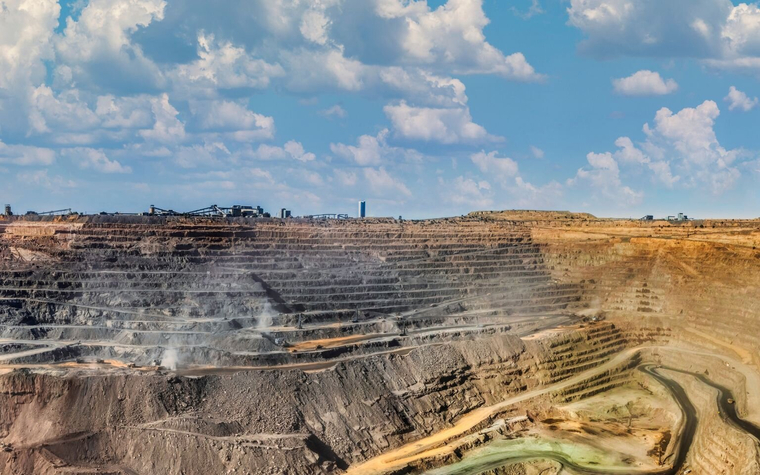
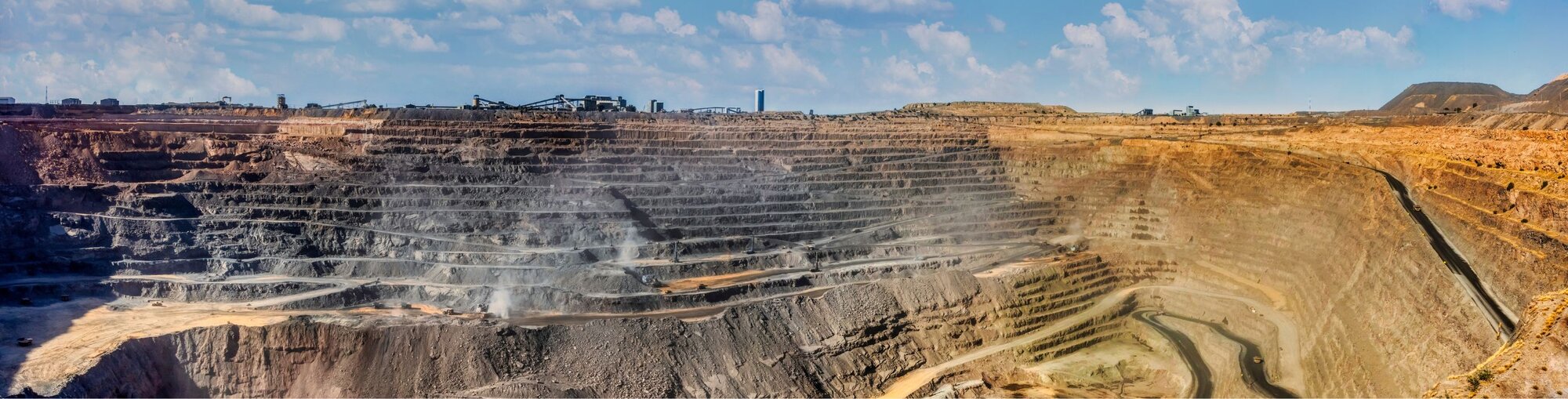
Dirty gold is mined by digging and shifting the Earth. “Open pit” mining often uses dynamite to blow up land, displacing tons of rock and soil – and the existing ecosystem – with an empty crater.
Deforestation
Animal and plant diversity is endangered by the deforestation and pollution that result from introducing a mine to an ecosystem.
Toxic Waste
In a process called “heap leaching,” an agent (such as cyanide or sulfates) is intentionally spilled over ore. This encourages gold to latch onto the agent and come out of its recesses.
Effects of Gold Mining on Human Health
Poor Working Conditions
Miners of dirty gold can face dangerous and unhealthy working conditions that lead to injury and illness from chemical use.
Child Endangerment
When mining, children can be exposed to dangerous chemicals and hazardous working conditions.
Rights Violations
Dirty gold operations may evict Indigenous landowners to create mine sites, displacing people and disrupting cultural, spiritual, and community practices.
Sustainable & Responsible Gold Mining
Because of the challenges of tracing the origin of newly mined gold from both responsible and dirty sources, we source repurposed gold. Repurposed gold jewelry is Brilliant Earth’s approach to traceable and responsible gold, lowering our brand’s environmental footprint. Repurposed gold jewelry transforms above-ground gold into new pieces. Circularity, in this context, is key – gold is reused for new products. Our gold is 99% repurposed, and by 2025, we’ll hit 100% repurposed or Fairmined.
Brilliant Earth’s gold is sourced from refiners that hold either an RJC Chain of Custody Certification or SCS Repurposed Content Certification, in addition to certifications for responsible gold. We define repurposed gold according to their standards.

What Is Repurposed Gold?
Repurposed gold is defined as gold previously refined that has not come directly from a mine in its first life cycle. In addition to secondhand jewelry, repurposed materials are primarily product manufacturing scraps and dust, and also post-consumer products, scrap and waste metals, and investment gold and gold-bearing products. For gold, this category may also include Good Delivery bars, medallions, and coins that have previously been sold by a refiner to a manufacturer, bank, or consumer market, and is then returned to a refiner to reclaim the financial value (e.g., 1-kilo bars).
Newly mined gold is considered responsible gold when it is mined in accordance with regulations. The definition of responsible gold is gold sourced free from threat and terrorist financing. It demonstrates efforts to combat money laundering, terrorist financing, human rights abuses, and respects the environment globally.
Repurposed Gold vs. Gold
The key differences between repurposed and newly mined gold:
Environmental Impact:
- Repurposed gold: Minimized environmental footprint by re-refining
- Newly mined gold: Massive environmental disruption and potential chemical contamination
Production Process:
- Repurposed gold: Collected, sorted, refined, and remanufactured
- Newly mined gold: Extracted through intensive mining, crushing, and chemical processing
Quality and Value:
- Repurposed gold: Identical chemical composition and value to newly mined gold
- Newly mined gold: Same quality, but with significantly higher environmental costs
Newly mined gold is considered responsible gold when it is mined in accordance with regulations. The definition of responsible gold is gold sourced free from threat and terrorist financing. It demonstrates efforts to combat money laundering, terrorist financing, human rights abuses, and respects the environment globally.
The Brilliant Earth Difference
In 2006, Brilliant Earth made a commitment to No Dirty Gold. To this day, we continue to say no to “dirty gold.” We use 99% repurposed gold from certified refiners and are on track to reach 100% repurposed or Fairmined by 2025. We are committed to achieving circularity across our business by reducing, reusing, and repurposing whenever and wherever possible. Repurposed precious metals play a significant role in our circularity journey, as does our dedication to crafting quality pieces that can last generations. See our 2024 Mission Report for a complete recap of how far we’ve come and how far we aim to go.

