




Diamond Quality Grading & Rating Charts
The 4 Cs are the universal standard for evaluating diamond quality. Developed by the Gemological Institute of America (GIA) in the 1940s, this system gives jewelers and customers a consistent way to describe and compare diamonds.
Each of the 4 Cs measures something different, and each has its own grading scale. Here's how they compare:
4 Cs | What It Measures | Grading Scale |
|---|---|---|
Cut | How well a diamond's facets interact with light, influencing brilliance and sparkle | GIA: Excellent to Poor. IGI: Ideal to Fair Brilliant Earth: Super Ideal to Poor |
Color | How colorless a diamond appears | D (Colorless) to Z (Light Color) |
Clarity | The presence of internal inclusions and surface blemishes | Flawless (FL) to Included (I1, I2, I3) |
Carat Weight | How much a diamond weighs | 1 carat = 200 milligrams (0.2 grams) |
The 4 Cs provide a starting point for understanding diamond quality, but no single grade tells the whole story. Each characteristic contributes to a diamond's overall appearance, and the right combination depends on what matters most to you.

Diamond Cut Scale
Diamond cut measures how well a diamond's facets interact with light. It's one of the biggest influences on a diamond's brilliance, fire, and sparkle, making it an especially important factor to consider.
Unlike color and clarity, which are characteristics of the diamond itself, cut quality depends on the skill and precision of the diamond cutter. The angles, proportions, and arrangement of facets determine how effectively light travels through the stone and reflects back to your eye.
Our Brilliant Earth diamond cut scale includes six grades:
- Super Ideal: Cut to the most exacting standards. These diamonds have the most desirable dimensions and are proportioned to return the maximum possible light.
- Ideal: Exquisite quality cut to create the optimal combination of brilliance and fire. Reflects nearly all light that enters the diamond.
- Very Good: Superior quality cut that reflects nearly as much light as the ideal cut while at a substantially lower cost.
- Good: Premium quality cut to optimize the size without sacrificing quality or beauty. Reflects most light that enters.
- Fair: Good quality cut which reflects some light while maximizing weight. While not as brilliant as a good cut, still a quality diamond.
- Poor: Not recommended as light spills from the pavilion, culet, or both. Brilliant Earth does not carry Poor-cut diamonds.
Cut determines how much a diamond sparkles. Even if two diamonds match in carat, color, and clarity, the better-cut one will look more brilliant.
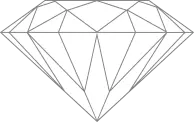
D Color
Absolutely colorless or icy white. The highest color grade—extremely rare and most expensive.
Diamond Color Scale
Diamond color measures how colorless a diamond appears. The GIA diamond color scale runs from D, which is completely colorless, to Z, which shows a noticeable light yellow or brown tint.
Color differences between neighboring grades can be subtle, especially when viewing a diamond on its own. While D-grade diamonds are the rarest and most valuable in the D-to-Z range, many diamonds with lower color grades still appear nearly colorless to the naked eye.
How noticeable a diamond's color looks depends on several factors:
- Diamond Size: Color tends to become more noticeable as carat weight increases.
- Diamond Shape: Step-cut shapes, such as emerald and Asscher, may show more color than brilliant cuts.
- Setting: Yellow gold can help near-colorless diamonds appear whiter.
Fancy colored diamonds, including vivid pink and blue diamonds, fall outside the traditional D-to-Z scale and are evaluated differently.
When choosing a color grade, consider the diamond's shape, size, and setting rather than focusing on the letter grade alone.

Diamond Clarity Scale
Diamond clarity measures the presence of internal characteristics, called inclusions, and surface imperfections, known as blemishes. The GIA clarity scale ranges from Flawless (FL), the highest grade, to Included (I3), the lowest.
Most diamonds have some inclusions. Many are microscopic and have little to no visible effect on the diamond's appearance, so a higher clarity grade doesn't always mean you'll notice a difference with the naked eye.
The diamond clarity grades are:
- Flawless (FL)
- Internally Flawless (IF)
- Very, Very Slightly Included (VVS1-VVS2)
- Very Slightly Included (VS1-VS2)
- Slightly Included (SI1-SI2)
- Included (I1-I3) *Brilliant Earth does not carry
Not all inclusions affect a diamond in the same way. Their size, number, and location can make a difference. For example, an inclusion beneath the table, or top facet, may be more noticeable than one near the girdle, or outer edge.
This is why it's worth evaluating diamonds individually. Two diamonds with the same clarity grade can look different, and an eye-clean diamond may not need the highest clarity grade to look beautiful.

Actual Diamond Size on Size 6 Hand
Diamond Carat Weight
Diamond carat measures how much a diamond weighs, not its physical size. One carat equals 200 milligrams, roughly the weight of a paperclip.
Although carat weight influences a diamond's size and price, two diamonds of the same weight can look quite different. Shape, cut, and proportions all affect how large a diamond appears when viewed from above.
A well-cut diamond may even look larger than a heavier diamond with less favorable proportions.
Carat weight also influences price. Diamonds just below popular weight thresholds, such as 0.90 instead of 1.00 carat or 1.90 instead of 2.00 carats, can offer significant savings without a noticeable difference in size.
Diamond Shape
Often referred to as the fifth C of diamonds, shape is another important consideration when choosing a diamond. While the traditional 4 Cs focus on diamond quality, shape refers to a diamond's outline when viewed from above.
Round brilliant diamonds are the most popular shape. Any non-round diamond, including oval, emerald, marquise, and princess, is considered a fancy shape.
Beyond personal style, there are a few practical shape differences worth considering:
- Price: Fancy-shaped diamonds typically cost less than round brilliant diamonds of comparable quality.
- Durability: Shapes with pointed corners, including marquise, pear, and princess, benefit from protective settings that help prevent chipping.
- Perceived Size: Elongated shapes like oval and marquise often look larger than round diamonds of the same carat weight because of their greater visible surface area.
A diamond's setting can also influence how large it looks. Halo settings surround the center diamond with smaller stones, creating the appearance of a larger diamond, while cathedral settings elevate the center stone for greater prominence.


Diamond Buying Guidance
Choosing a diamond is about finding the right balance between the 4 Cs, your budget, and what you find most appealing. There's no single combination that's right for everyone.
Our gemologists recommend keeping a few things in mind as you compare diamonds:
- Prioritize What Matters Most: If sparkle is your top priority, focus on cut quality. If size matters more, you may prefer a larger carat weight with more flexibility in color or clarity.
- Look for Value in Color and Clarity: Diamonds in the H–J color range can appear nearly colorless to the naked eye. Depending on shape and size, VS2–SI1 clarity grades may also look eye-clean without the higher cost of premium grades.
- Consider Different Shapes: Round diamonds are known for their brilliance, but fancy shapes can offer a distinctive look at a lower price. Explore a few options before settling on a favorite.
- Look Just Below Popular Carat Weights: Choosing a diamond slightly under a common weight threshold can reduce the price without making much of a visible difference.
- Review the Diamond's Grading Report: Independent laboratories such as GIA, IGI, HRD, and GCAL evaluate diamond quality. These reports document a diamond's characteristics and help you compare options. All Brilliant Earth center stones are certified.
Ultimately, a diamond doesn't need the highest grade in every category to look beautiful. The goal is to find a combination that fits your priorities, whether that's exceptional sparkle, a particular shape, or the largest diamond within your budget.

Diamond Quiz
Not sure where to start? Our diamond quiz can help you narrow down your options and find a diamond that fits your preferences.
FAQ
What is a diamond?
A diamond is a gemstone made of crystallized carbon that forms under extreme heat and pressure, either naturally deep within the Earth or in a controlled laboratory environment. Diamonds are known for their exceptional hardness, brilliance, and fire.
What are diamond grades?
Diamond grades describe a diamond's quality based on the 4 Cs: cut, color, clarity, and carat weight. Each characteristic is evaluated separately, with cut graded from Excellent to Poor on the GIA scale, color from D to Z, and clarity from Flawless to Included. Carat weight is measured in metric carats rather than assigned a quality grade.
How are diamonds graded and certified?
Diamonds are graded by independent gemological laboratories, such as GIA, IGI, HRD, and GCAL. Gemologists use specialized equipment to evaluate cut, color, clarity, and carat weight, then document their findings in a grading report. All Brilliant Earth center diamonds are certified.
Which of the 4 Cs is most important?
Cut is generally considered the most important of the 4 Cs because it has the greatest influence on a diamond's brilliance and sparkle. However, the right priority depends on your preferences. Some may value exceptional light performance, while others prefer a larger carat weight or higher color and clarity grades.
What is the best combination of the 4 Cs?
The best combination of the 4 Cs depends on your budget and priorities. For a balance of brilliance, appearance, and size, a common recommendation is an Excellent cut, G–J color, VS1–SI1 clarity, and the highest carat weight that fits your budget. These grades can offer strong visual appeal without requiring the highest grade in every category.
How hard are diamonds?
Diamonds rank 10 on the Mohs hardness scale, making them the hardest naturally occurring material on Earth. Their exceptional hardness makes them well suited for everyday jewelry, including engagement rings.
What does “diamond accent” mean?
A diamond accent is a smaller diamond used to complement the center gemstone in a piece of jewelry. Accent diamonds are often placed along an engagement ring band, around a center stone like a halo, or throughout other fine jewelry designs.
What makes a diamond sparkle?
A diamond's sparkle comes primarily from its cut quality and how its facets interact with light. Three optical effects contribute to its appearance:
- Brilliance: The white light reflected from the diamond.
- Fire: The rainbow-colored flashes created when light separates into different colors.
- Scintillation: The flashes of light and patterns of light and dark seen as the diamond, light, or viewer moves.
A well-cut diamond directs more light back through its top facets, creating stronger brilliance, fire, and scintillation. Poorly cut diamonds allow more light to escape through the bottom or sides, making them appear less brilliant.

WITH PURCHASE OVER $1,000.
USE CODE FREEGIFT IN CART.*