



 Start with Our Diamond Quiz




What Are Blood Diamonds?
Blood diamonds, also known as conflict diamonds, are diamonds that are mined in war zones and sold to finance armed conflicts against legitimate governments. These diamonds are often mined using forced labor, including children, and are traded illegally to illegally to fund violent conflicts and human rights abuses. The definition of “blood diamond” was formed by the UN and became widely known in the 1990s as brutal civil wars were waged in parts of western and central Africa by rebel groups in diamond-rich areas. The blood diamond meaning encompasses not only the violent conflicts but also the myriad of abuses and environmental destruction associated with their extraction.
Why Are Blood Diamonds Harmful?
Blood diamonds are harmful because they are mined in war zones and sold to finance armed conflicts against governments. The diamond trade has been linked to fueling conflicts in countries such as Sierra Leone and the Democratic Republic of Congo. The profits from these blood diamonds are often used to finance conflict and lead to human rights abuses and environmental destruction.
Financing Conflict
Blood diamonds are primarily harmful because their sales finance armed conflict against governments. Conflict diamonds are illegally mined, stolen, and smuggled by rebel groups seeking to overthrow their region’s leadership, and sold to arms traffickers or terrorist groups. The money from these diamond sales allows them to expand and arm their wars on governments, perpetuating cycles of violence and instability. This financial support fuels conflicts for extended periods, causing long-term harm to societies and economies.
Violence
Armed groups use coercion and brutality to control mining areas, forcing civilians into labor under threat of death. Over the past few decades, several African nations have endured violent conflicts fueled by diamonds. Although many of these conflicts have now ended, the issue of conflict diamonds remains prevalent: the diamond industry can still be marked by appalling violence.
Some governments and mining companies continue to contribute to these atrocities—even in countries that are not at war. Despite earning significant revenues from the diamond industry through taxation and profit-sharing arrangements, governments can fail to invest funds back into local communities: corruption, incompetence, and weak political systems contribute to the failure to invest diamond revenues productively and ethically.
Human Rights Abuses & Worker Exploitation
Human rights abuses in blood diamond mining areas are rampant. Many miners are coerced into labor, including children deceptively trafficked from rural areas. They are forced into working in hazardous conditions without pay for excessively long hours. Exploitation is further compounded by the absence of labor rights and protections, leaving workers vulnerable to abuse and exploitation by armed groups and mining operators.
Environmental Destruction
The extraction of blood diamonds often involves environmentally destructive practices. Mining operations frequently result in deforestation, soil erosion, and the contamination of water sources with toxic chemicals. These environmental impacts can devastate local ecosystems and make it difficult for communities to sustain agriculture or access clean drinking water.
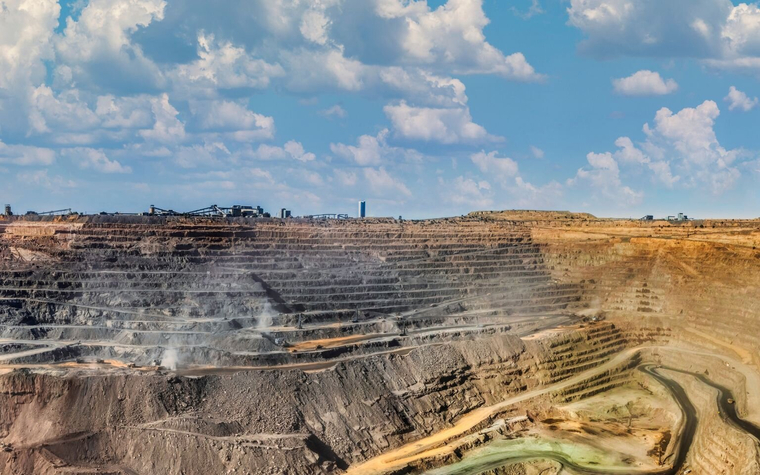
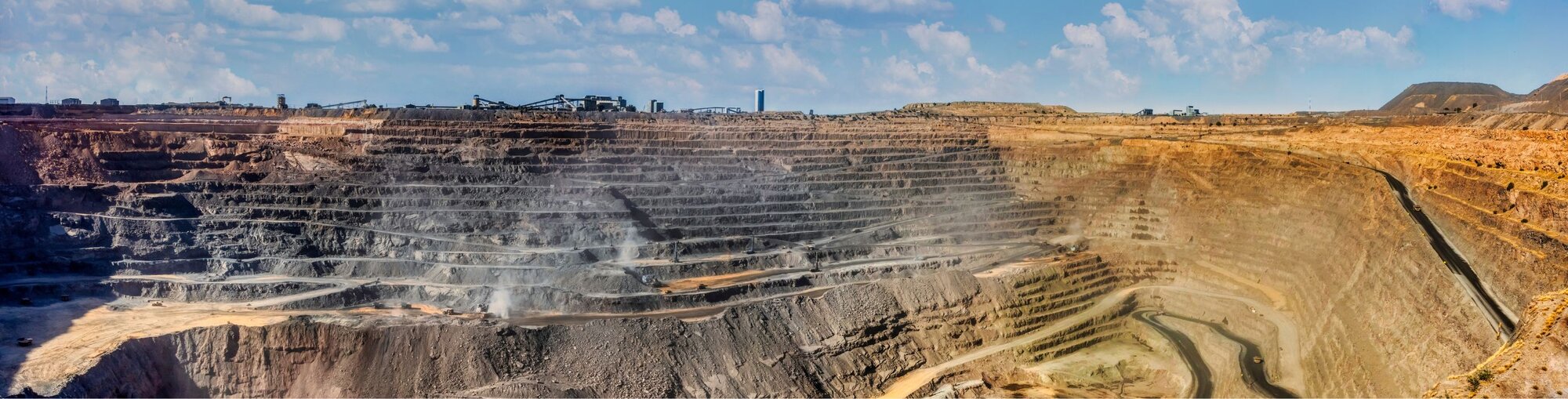
Large pits left behind by mining practices also often harbor health and safety risks. If they eventually fill with water, they can act as a breeding ground for diseases caused by mosquitos and reptiles or cause incidents of drowning. Reclamation efforts can aid in ensuring that the land is returned for proper community uses.
Blood Diamond History
The international outcry over blood diamonds, which brought attention to the corrupt and unsupervised diamond trade, originated in Sierra Leone. In the early nineties, the country’s lack of leadership and a lucrative yet unsupervised diamond trade prompted rebels to initiate a civil war. This invasion, and the bloody aftermath that ensued, gave rise to an investigation into the diamond trade and sparked a fervent demand for international regulation.
As the demand for regulation grew, then president of the United States, Bill Clinton, issued Executive Order 13194, which outlawed the importation of diamonds from Sierra Leone from 2001 onwards. Then, in 2003, the United States implemented the Clean Diamond Trade Act, banning the import and export of any rough diamond that had not been certified by the Kimberley Process (KP).
The KP is a multilateral trade regime established in 2003 with the goal of preventing the flow of conflict (blood) diamonds. However, its effectiveness is limited: the certification is based on the last country of export, which means that a diamond can be certified as ethical even if it was first smuggled from another country.
Russia
Alrosa, Russia’s state-owned diamond mining company, has been sanctioned by the U.S. government as a source of funding to support the Russian military in the invasion of Ukraine.
Despite U.S. sanctions on Russian origin diamonds, which help fund the conflict in Ukraine, Russian diamonds do not meet the precise definition of conflict diamonds, as they are not technically being mined in active war zones and are not being used to fund rebel groups. Despite these concerns, Russia remains a participant in the KP as a modern-day example of how the KP process is broken.
In February of 2022, we made an early decision to remove all certified Russian-origin diamonds from the Brilliant Earth website.
Zimbabwe
In 2008, the Zimbabwean army seized control of the Marage diamond deposit, killing over 200 miners and local people. The army leaders and allies of the country’s then dictator, Robert Mugabe, profited greatly. Though Zimbabwe’s diamond industry has continuously been plagued by human rights abuses, the country has been welcomed into the community of diamond-producing nations as their gems are considered conflict-free according to the KP’s precise definition.
Central African Republic
In the Central African Republic, a devastating civil war fueled by diamonds, poverty, and religious tensions erupted in 2013. A coalition of rebel groups, the Séléka, attacked the capital, Bangui, overthrowing the country’s dictator and taking control of valuable diamond fields. This then sparked a counterattack by Christian militias, adding a religious element to violence that had previously been absent.
Despite the KP banning diamond exports from the Central African Republic, smugglers continue to move diamonds across borders, falsely claiming they are from legitimate sources, and selling them to international consumers as conflict-free.
Côte D’Ivoire
Côte D’Ivoire, a nation once divided by a violent civil war, relied heavily on diamonds to fund the conflict. When the conflict reached a stalemate in 2004, the north was controlled by rebels who used diamond resources to fund their cause. In response, the KP and United Nations imposed an export ban on the country’s diamonds in 2005.
Despite the ban, rebels continued to smuggle diamonds out of the country, amassing millions annually to acquire weapons and strengthen their grip on the north. The disputed 2010 presidential election led to a constitutional crisis and rebel soldiers moved south in support of their preferred candidate, Alassane Ouattara, leading to the death of thousands of people. After taking office in 2012, Ouattara brought an end to violence and the United Nations lifted the ban on Côte D’Ivoire’s diamonds in 2014. The country now uses its diamond resources for peaceful economic development and serves as a rightful participant in the KP.
Democratic Republic of Congo
The Democratic Republic of Congo (DRC) has a long history of conflict diamonds. The trade has funded armed groups, leading to prolonged violence, human rights abuses, and economic instability.
Liberia
Liberia's diamond trade significantly contributed to its civil wars from 1989 to 2003. Efforts to regulate and control the diamond industry have been implemented, but challenges in enforcement remain.
Sierra Leone
Sierra Leone's brutal civil war from 1991 to 2002 was heavily financed by blood diamonds. The country's recovery has involved efforts to reform the diamond industry and ensure ethical practices.
Republic of Congo
The Republic of Congo has faced challenges with blood diamonds, particularly related to illegal mining and smuggling. The government's efforts to regulate the industry have been met with varying degrees of success.
Global Response to Blood Diamonds
The international community has taken several steps to address the issue of blood diamonds. The Kimberley Process Certification Scheme, established in 2003, aims to prevent the trade in conflict diamonds by certifying the origin of rough diamonds. This process requires participating countries to ensure that diamond shipments are conflict-free.
Despite these efforts, challenges remain. The effectiveness of the Kimberley Process has been questioned, particularly regarding enforcement and the inclusion of all forms of human rights abuses. Some diamonds continue to enter the market through illegal channels, undermining regulatory efforts.
The limitations of the Kimberley Process play an important role in our Mission here at Brilliant Earth: through Beyond Conflict FreeTM Diamonds and rigorous standards at each point of our business model, we require transparency beyond the KP to ensure that the diamonds we offer are responsibly sourced.
Blood Diamond Regulation & Regulation Challenges
The international community has taken several steps to address the issue of blood diamonds. The Kimberley Process Certification Scheme, established in 2003, aims to prevent the trade in conflict diamonds by certifying the origin of rough diamonds. This process requires participating countries to ensure that diamond shipments are conflict-free.
Despite these efforts, challenges remain. The effectiveness of the Blood diamond regulation involves international cooperation and stringent oversight. The Kimberley Process is the primary regulatory mechanism, requiring member countries to implement measures to certify the origin of diamonds. However, challenges persist, including corruption, lack of enforcement, the ability of conflict diamonds to enter the market through loopholes, and the limited definition of conflict diamonds.
Efforts to strengthen regulation include improving transparency, enhancing traceability, and increasing penalties for non-compliance. Nonetheless, the global diamond industry must continually adapt to address emerging threats and ensure that ethical practices are upheld.
How Can You Buy an Ethically Sourced Diamond?
Kimberely Process Certified does not mean a diamond is ethically sourced. To ensure a diamond is ethical, consumers should:
- Ask Questions: Inquire about the sourcing of diamonds from jewelers.
- Seek Certification: Request origin certificates.
- Educate Themselves: Understand which countries can provide ethical diamonds.
- Support Ethical Retailers: If the jeweler cannot provide the above information, purchase from retailers committed to transparency and ethical practices.

The Brilliant Earth Difference
At Brilliant Earth, we advocate for an end to all forms of violence associated with diamond mining: a different path is possible, and we’re paving it.

Additional Resources
- Global Witness
- National Museum of American Diplomacy
- U.S. Customs and Border Protection
- U.S. Department of State
- U.S. Department of Labor
- European Commission
- Time Magazine
- Blood Diamonds: Tracing the Deadly Path of the World's Most Precious Stones by Greg Campbell
- Very Bad People: The Inside Story of the Fight Against the World’s Network of Corruption by Patrick Alley
